Which Museum In Singapore Is Free?
The honest answer to which Singapore museums are free, which are free only for citizens and PRs, and which galleries cost nothing for everyone.
The short answer disappoints most visitors: almost none of Singapore's big national museums are free for tourists. The museums that are genuinely free for everyone are the Buddha Tooth Relic Temple and Museum in Chinatown and the Singapore City Gallery at the URA Centre on Maxwell Road. Everything run by the National Heritage Board follows a different rule, and it is the one that catches people out. The full split, museum by museum, follows, with the tourist prices printed where they are known and flagged where they are not, so a visitor can budget a museum day in Singapore without a surprise at the till.
Which Museums Are Free?
Two museum-type visits in Singapore are free for everyone, with no resident check and no ticket: the Buddha Tooth Relic Temple and Museum on South Bridge Road, and the Singapore City Gallery at the URA Centre on Maxwell Road. Every large national museum charges tourists, and the resident-free rule below explains why.
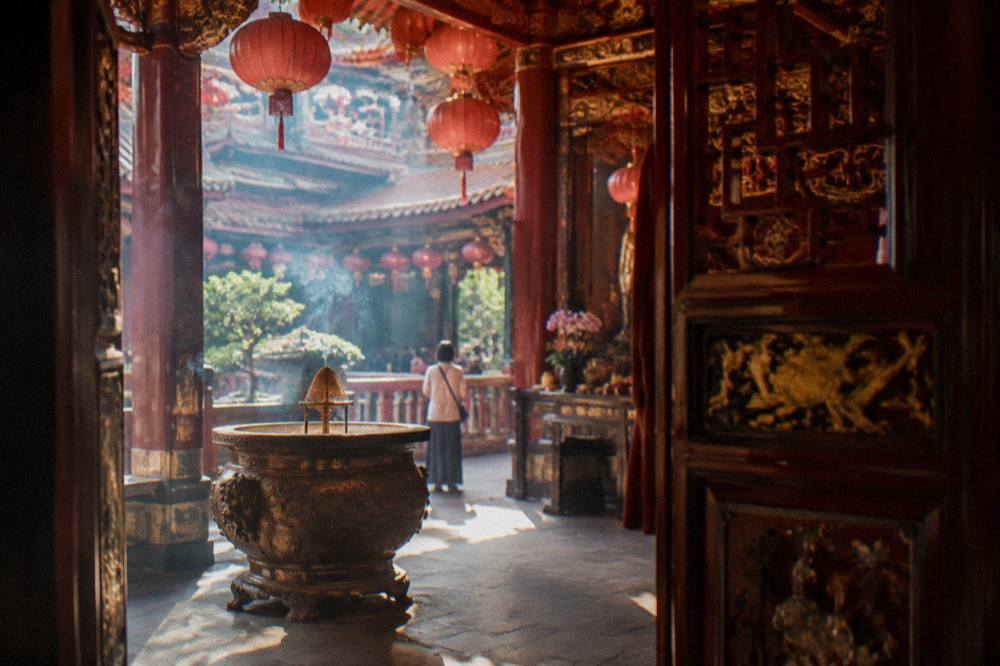
The Buddha Tooth Relic Temple and Museum is free to enter, both the temple and the museum inside it. It sits in Chinatown, and the condition that comes with the free entry is a dress rule: shoulders and knees covered. That is the whole cost of admission. The temple is one of the stops the Chinatown heritage walks in the area are built around, and the surrounding streets, Pagoda Street and the Chinatown street market, are free to walk whether or not you step inside. For a fuller picture of the neighbourhood around the temple, the Chinatown free walk guide covers the streets, the market and the free temples in one place.
The Singapore City Gallery is the other genuinely free one. Admission to the whole gallery is free, and it is run by the URA, the urban planning authority, not by the National Heritage Board. That difference matters, because the URA does not operate the citizen-versus-tourist pricing rule that the heritage boards do. The gallery sits at the URA Centre on Maxwell Road, which is also the meeting point of one of the featured Chinatown heritage walks, so a visit pairs naturally with a morning in the neighbourhood. A tourist can walk in off Maxwell Road, see the gallery, and leave without a ticket or a passport check of any kind.
Here is the honest split in one table.
| Museum or gallery | Free for tourists? | The condition |
|---|---|---|
| Buddha Tooth Relic Temple and Museum | Yes | Modest dress, shoulders and knees covered |
| Singapore City Gallery, URA Centre | Yes | No ticket, no resident check |
| National Museum of Singapore | No | Free permanent galleries for citizens and PRs only |
| Peranakan Museum | No | Citizens and PRs free, tourists pay S$12 |
| Malay Heritage Centre | No | Citizens and PRs free, tourists pay S$10 |
| Indian Heritage Centre | No | Citizens and PRs free, tourists pay S$10 |
| Changi Chapel and Museum | No | Citizens and PRs free, tourists pay S$9 |
One more museum-type visit belongs in this section with a condition attached. Hell's Museum at Haw Par Villa is a paid museum, S$22 for an adult, and it stays open even though the free park grounds around it have been partially closed for maintenance since 8 December 2025 with no end date announced. So the Haw Par Villa picture is the reverse of the Gardens by the Bay pattern: the grounds are the free part but partly shut, and the museum is the paid part that keeps running. A visitor who wants the free half of Haw Par Villa should check the park's status before travelling there, because the partial closure has no published end date.
If museums are the reason you are mapping a day around the Civic District, a free walking tour is the cheapest way to connect them. The early pick below pairs the colonial Civic District museums with the waterfront, and every walk in it is pay what you want, with no fixed price at all.
Which Are Free Only For Residents?
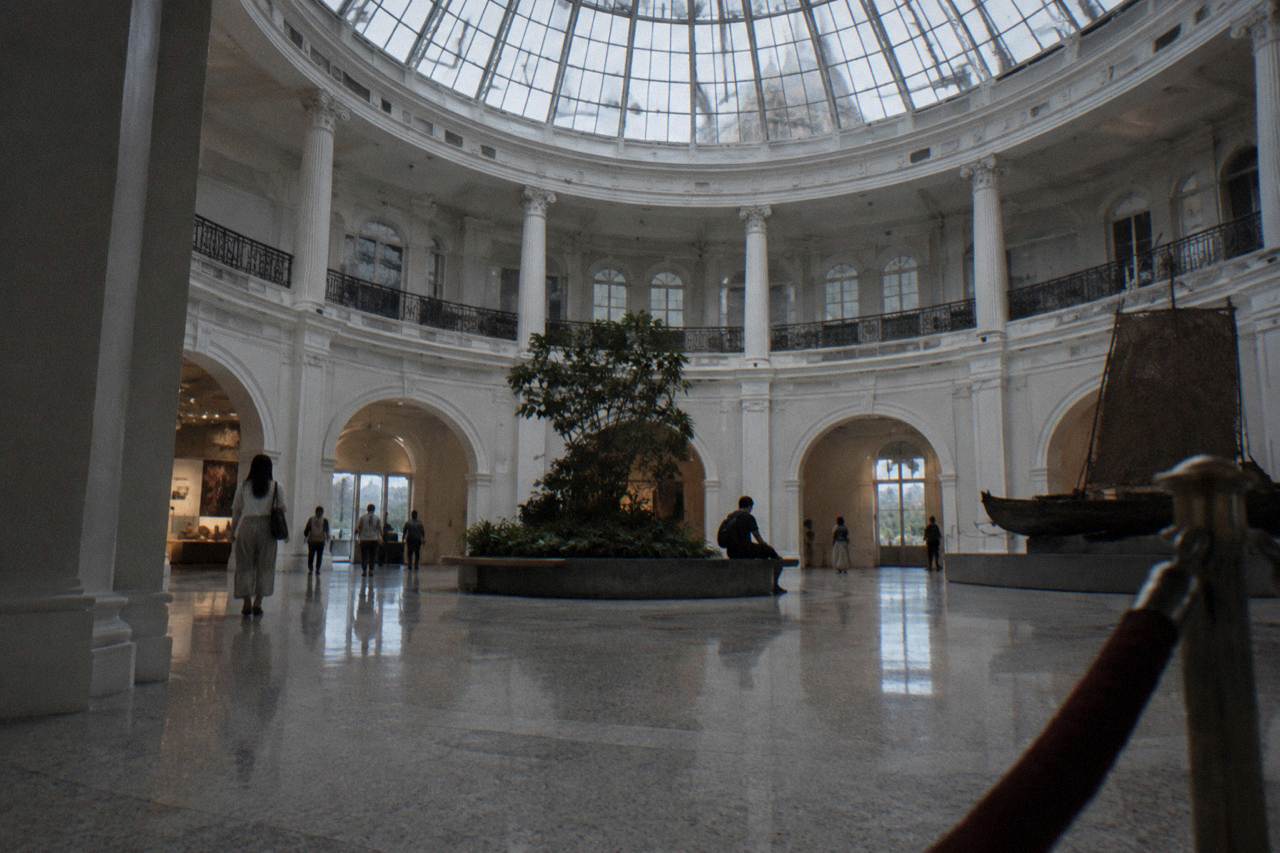
Every National Heritage Board museum follows one rule: permanent galleries are free for Singapore citizens and permanent residents, scanned by NRIC at the door, and paid for tourists and foreign residents. Tourist adult prices are National Museum S$18, Peranakan Museum S$12, Malay Heritage Centre S$10, Indian Heritage Centre S$10 and Changi Chapel and Museum S$9.
The National Museum of Singapore is the one most visitors ask about, and the answer is the resident rule in its plainest form. Citizens and PRs walk into the permanent galleries free. Tourists pay S$18 for General Admission, with children aged 6 and under free. There is no limited free-entry window a tourist can time a visit around, so the price is simply part of planning the day. A family of two adults with children over 6 should treat the National Museum as a full paid attraction and weigh it against the free alternatives in the next section.
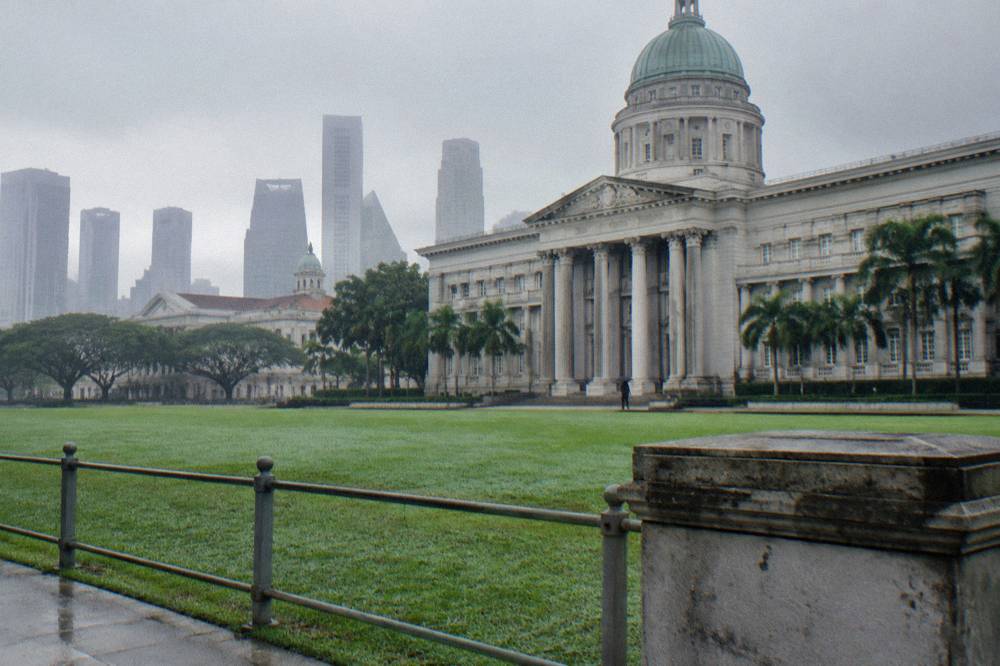
The National Gallery Singapore runs the same split at a bigger scale. Citizens and PRs get free general admission; tourists pay. The Gallery sits in the Civic District, and the UOB Southeast Asia Gallery inside it is temporarily closed and reopens in late 2027, while the rest of the Gallery stays open, as the Gallery's own visitor information page states. A tourist buying a ticket in late 2026 is buying access to a building with one major gallery dark, which is worth knowing before the ticket is bought rather than after.
A second group of museums is ticketed for tourists. The Asian Civilisations Museum, the Singapore Art Museum, Reflections at Bukit Chandu, Memories at Old Ford Factory and the Chinatown Heritage Centre are all ticketed for tourists, and a visitor should expect to pay at the door rather than assume a figure. The ArtScience Museum at Marina Bay Sands is simply a paid museum, and the SkyPark observation deck above it is a separate paid ticket. Nothing in that cluster is free for a tourist, and no amount of timing a visit changes it.
The resident rule is the single most useful thing to understand before museum planning in Singapore, because it explains why search results and the museums' own marketing can read as free while the till is not. The rule is uniform across the National Heritage Board family, so there is no bargain museum hiding inside it: the price table above is the whole picture for the board's main sites. A tourist reading a "free admission" line on a museum page should always look for the citizen-and-PR qualifier beside it, because on the heritage board pages it is always there.
Walking the Civic District is the free counterpart to all of this, and the museums cluster there. Colonial To Contemporary is a pay-what-you-want walk on freetour.com, guided by Chew Keng Kiat, rated 9.5 out of 10 across 26 freetour.com reviews, running 2 hours and 30 minutes in English and meeting at City Hall MRT Station. It is described as an easy walk from the Civic District to Marina Bay, which is exactly the museum district. You can See this free tour on freetour.com, reserve a free spot, and pay the guide what you think the walk was worth at the end.
The same operator family covers the rest of the district. The City Free Walk by Monster Day Tours on GuruWalk, rated 4.9 out of 5 across 263 English-language GuruWalk reviews, runs 2 hours and 30 minutes from Raffles Place MRT Station, and its page lists the River Merchants sculptures, Cavenagh Bridge and the National Gallery Singapore among its stops. For a tourist weighing a paid Gallery ticket, that walk puts the Gallery's exterior and the river district into a free morning. The other platform, freetour.com, lists four more walks, including the Lion City Adventure from Raffles Place Park, rated 7.7 out of 10 across 40 freetour.com reviews.
Which Galleries Are Free To All?
The Singapore City Gallery is the one large gallery in Singapore that is free to all visitors, every day, with no resident check. The National Gallery's general admission is free only for citizens and PRs. The Buddha Tooth Relic Temple's museum, free with a dress code, is the other no-ticket indoor visit in the list.
The Singapore City Gallery deserves its own section because it is the answer people are usually looking for when they ask this question. It is free, it is central, at the URA Centre on Maxwell Road, and it is the place to see the city modelled at scale. The URA runs it, and its free admission is stated on the planning authority's own site at ura.gov.sg. For a tourist on a budget, it is the strongest free indoor hour in the city centre, and it costs nothing to combine with the Maxwell Food Centre next door, where entering and sitting is free and the food is paid.
Around it, Chinatown supplies the free outdoor half of the day. The street market and Pagoda Street are free to walk, the Buddha Tooth Relic Temple and Museum is free to enter with shoulders and knees covered, and Thian Hock Keng, the Hokkien temple on Telok Ayer Street, is free too. None of these charge, and none check a passport. The two featured Chinatown walks below in the end band cover this ground with a guide at no fixed price, and the free museums in Singapore guide gathers the resident rule and the free galleries into a single reference page.
The history of the city itself, rather than its museums, is what the free walking tours carry. Paul's 700 Years Of History walk on GuruWalk is rated 5 out of 5 across 486 English-language GuruWalk reviews, runs 3 hours in English, meets near the Civic District, and its page lists Fort Canning Park among its stops. Fort Canning Park itself is free and open 24 hours, so the walk and the park cost nothing between them. For a visitor who wants the long historical arc of the island without a museum ticket, this is the pairing that does it.
For context, eighteen free walking tours run in Singapore, listed on GuruWalk and freetour.com, and most of them start in Chinatown, with one Little India walk, one Kampong Glam walk and a few Civic District and Raffles Place walks. None of them is a museum tour, but several, like the Colonial To Contemporary walk and the City Free Walk from Raffles Place MRT Station, start in the district where the paid museums stand, which makes them a free scaffold for a museum day. The Kampong Glam walk by Ping, rated 4.94 out of 5 across 146 English-language GuruWalk reviews, covers the district around the Sultan Mosque, where the Malay Heritage Centre stands, and the mosque itself takes non-Muslim walk-in visits Saturday to Thursday from 10am to 12pm and 2pm to 4pm, closed Fridays, with robes lent.
How Do You Check Before You Go?
Check two things before any Singapore museum visit: whether the museum is National Heritage Board run, in which case tourists pay the printed price, and whether any gallery inside is temporarily closed. The resident rule never changes, but closures do, and the National Gallery's UOB Southeast Asia Gallery closure running to late 2027 shows why the second check matters.
The practical method is simple. Look up the museum's own site, not an aggregator, and look for two lines: the citizen-and-PR admission line and the tourist price line. If a museum's page shows only a free-admission claim with no tourist price, treat the tourist price as unknown rather than free, because that is exactly the gap the Asian Civilisations Museum and Singapore Art Museum pages leave. The Changi Chapel and Museum page is a good example of the honest pattern: it states that tourists pay S$9, and the official heritage pages carry the rest of the board's prices plainly.
Budget the paid museums against the free alternatives. A tourist paying S$18 at the National Museum, S$12 at the Peranakan Museum and S$10 at one heritage centre has spent S$40 before lunch. The free half of the same day, the Singapore City Gallery, the Buddha Tooth Relic Temple and Museum, and a pay-what-you-want walking tour through the same districts, costs whatever the walker chooses to hand the guide at the end, because the amount is the walker's choice, though some guides note a suggested tip on their own listing, so read the walk's page before booking. That contrast is the whole budgeting decision in one sentence, and it is why Free Things To Do In Singapore separates the free, the conditional and the paid so carefully.
If the plan is museums in the morning and the river in the afternoon, the featured walks below cover Chinatown and the Civic District at no fixed price. The trio here are all pay-what-you-want: Chinatown, Little India, Kampong Glam by Stephen, the Chinatown stories walk by Michael, and the Chinatown to Merlion Park walk by Lah Kopi Tours, all on GuruWalk.
Common Questions About Free Museums In Singapore
Which Museum In Singapore Is Free?
The Buddha Tooth Relic Temple and Museum in Chinatown and the Singapore City Gallery at the URA Centre are free for everyone. The National Heritage Board museums, including the National Museum of Singapore, are free only for citizens and permanent residents; tourists pay, from S$9 at Changi Chapel and Museum to S$18 at the National Museum.
Is the National Museum of Singapore free for tourists?
No. Permanent galleries are free for Singapore citizens and PRs with an NRIC scan. Tourists pay S$18 for General Admission, and children aged 6 and under enter free.
Is the National Gallery Singapore free?
For citizens and PRs, general admission is free. Tourists pay. The UOB Southeast Asia Gallery inside is temporarily closed and reopens in late 2027; the rest of the Gallery is open.
Are the Asian Civilisations Museum and Singapore Art Museum free for residents?
Permanent galleries at the Asian Civilisations Museum are free for citizens and PRs. The Singapore Art Museum's own page carries its current admission terms.
What is the cheapest way to see Singapore's museum district?
Walk it. The Singapore City Gallery is free, the Civic District and Chinatown streets are free to walk, and pay-what-you-want walking tours on GuruWalk and freetour.com cover the same ground, including Colonial To Contemporary from City Hall MRT Station, rated 9.5 out of 10 across 26 freetour.com reviews.